


Expert warns of risks to Armenian internet traffic due to Telecom Armenia and AzerTelecom agreement
22.06.2026,
16:27
The agreement between Telecom Armenia and AzerTelecom on the mutual use of internet transit could create risks for Armenian traffic, according to information security expert Ruben Muradyan.
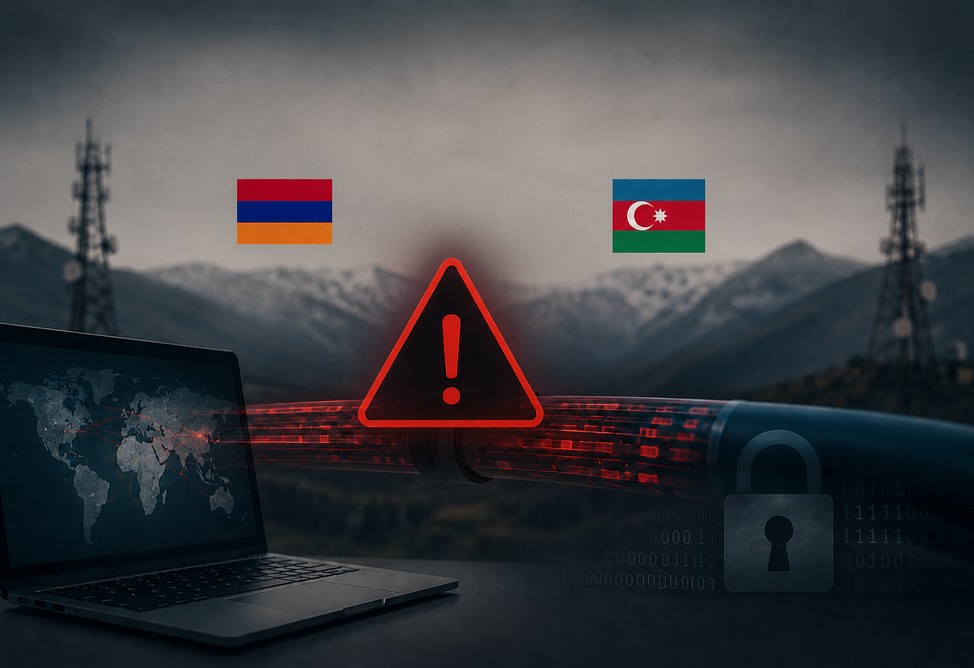
YEREVAN, June 23. /ARКА/. The agreement between Telecom Armenia and AzerTelecom on the mutual use of internet transit could create risks for Armenian traffic, according to information security expert Ruben Muradyan.
Earlier, Telecom Armenia announced the signing of a bilateral agreement with AzerTelecom, providing for the transmission and supply of internet transit through the two countries on a commercial basis.
According to Muradyan, the agreement means that Telecom Armenia and AzerTelecom will mutually use communication channels for internet access. Specifically, traffic from Azerbaijan to Nakhchivan will pass through Telecom Armenia's infrastructure.
"But, and this is most important, it's not only that. The agreement on the mutual use of internet transit means that Armenian traffic can also pass through AzerTelecom's infrastructure," the expert noted on his Telegram channel.
He estimates that traffic passing through AzerTelecom's infrastructure can be analyzed. However, the content of the communications will likely not be accessible, as almost all modern communications are encrypted using TLS. Muradyan also noted the small possibility of MITM attacks, but described it as low.
The expert believes that AzerTelecom could be able to route Armenian traffic through DPI systems. This, he says, will allow profiling and analyzing the behavior of Armenian users—not in terms of access to the transmitted data itself, but through access to connection metadata.
Muradyan estimates that individuals and organizations using fixed IP addresses are at the greatest risk. Such IP addresses, he says, are relatively easy to link to specific users and de-anonymize.
He also noted the risk of BGP route poisoning—the redirection of traffic of interest through specific networks.
"Currently, these risks affect Team Telecom users." "But I wouldn't put too much hope in complete security," the expert noted.
Muradyan believes that politicians, journalists, NGO employees, and key company employees should consider using a VPN on all their devices at all times.
Earlier, Telecom Armenia announced the signing of a bilateral agreement with AzerTelecom, providing for the transmission and supply of internet transit through the two countries on a commercial basis.
According to Muradyan, the agreement means that Telecom Armenia and AzerTelecom will mutually use communication channels for internet access. Specifically, traffic from Azerbaijan to Nakhchivan will pass through Telecom Armenia's infrastructure.
"But, and this is most important, it's not only that. The agreement on the mutual use of internet transit means that Armenian traffic can also pass through AzerTelecom's infrastructure," the expert noted on his Telegram channel.
He estimates that traffic passing through AzerTelecom's infrastructure can be analyzed. However, the content of the communications will likely not be accessible, as almost all modern communications are encrypted using TLS. Muradyan also noted the small possibility of MITM attacks, but described it as low.
The expert believes that AzerTelecom could be able to route Armenian traffic through DPI systems. This, he says, will allow profiling and analyzing the behavior of Armenian users—not in terms of access to the transmitted data itself, but through access to connection metadata.
Muradyan estimates that individuals and organizations using fixed IP addresses are at the greatest risk. Such IP addresses, he says, are relatively easy to link to specific users and de-anonymize.
He also noted the risk of BGP route poisoning—the redirection of traffic of interest through specific networks.
"Currently, these risks affect Team Telecom users." "But I wouldn't put too much hope in complete security," the expert noted.
Muradyan believes that politicians, journalists, NGO employees, and key company employees should consider using a VPN on all their devices at all times.